The fastest way to save money on "refinishing" is to not refinish at all. If your hardwood looks tired because the finish is dull or lightly scratched — but the wood underneath is still fully covered — you almost never need to sand it to bare wood. That's the difference between a screen-and-recoat and a full sand-and-refinish, and picking the right one is the difference between a one-day refresh and a bigger, messier job that removes a little of the floor itself.
What a recoat actually is
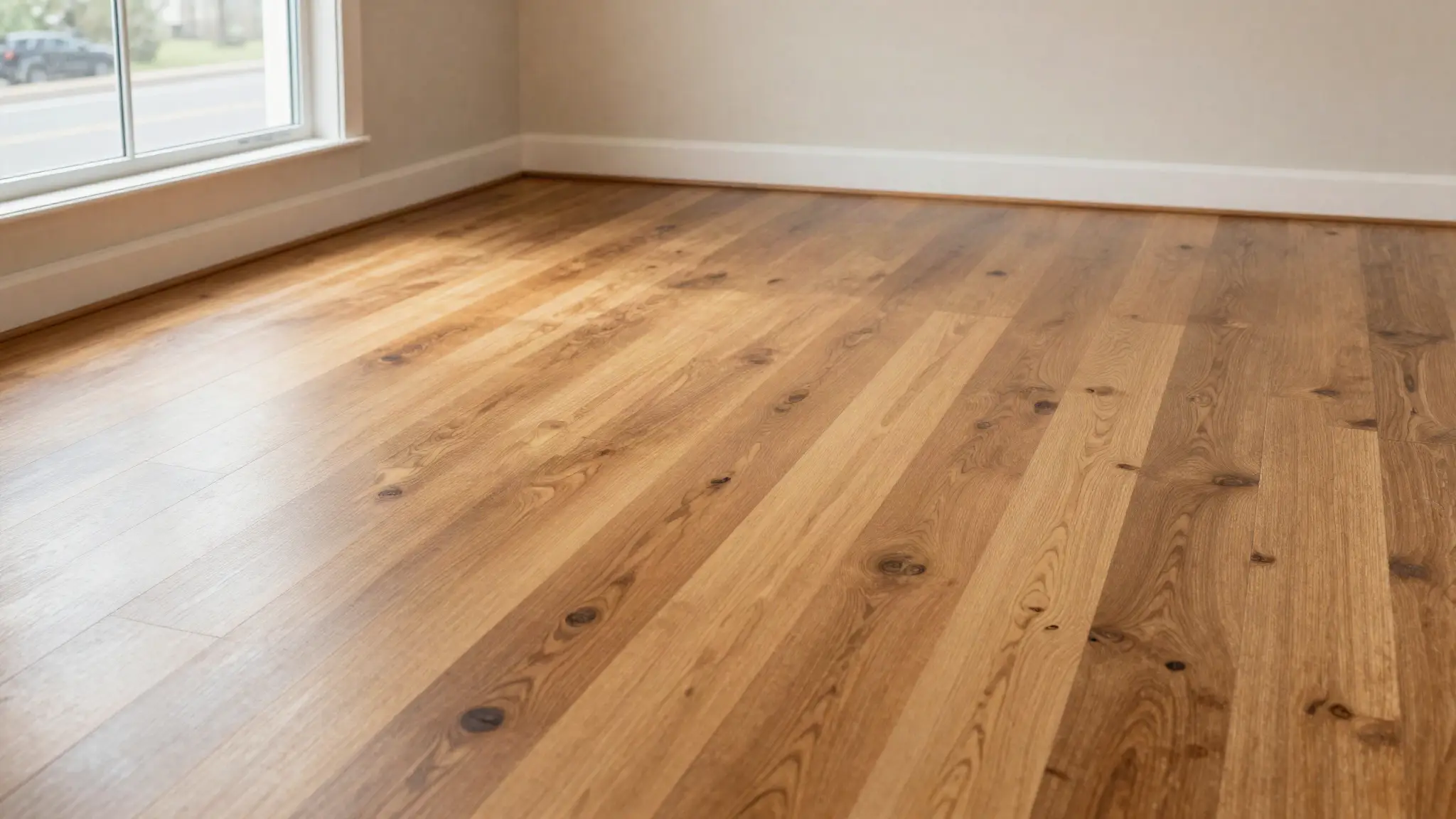
A recoat (sometimes called a screen and recoat) is a surface refresh. We clean the floor, lightly scuff the old finish with a fine abrasive pad or screen so the new coat has something to grip, vacuum and tack the dust, and apply a fresh topcoat. We do not sand down to the wood. The National Wood Flooring Association describes two recoat methods — the standard screen-and-recoat and a chemical etch-and-recoat — and treats recoat as the right move when a finish "shows wear but is not totally worn through."
Because a recoat touches only the top layer of finish and removes essentially no wood, it doesn't use up any of the sandings a floor has left in it. That's the big long-term win: keep the finish healthy with recoats on schedule, and a full refinish — the one that actually removes material — stays years further away.
This is NJ, so it matters more
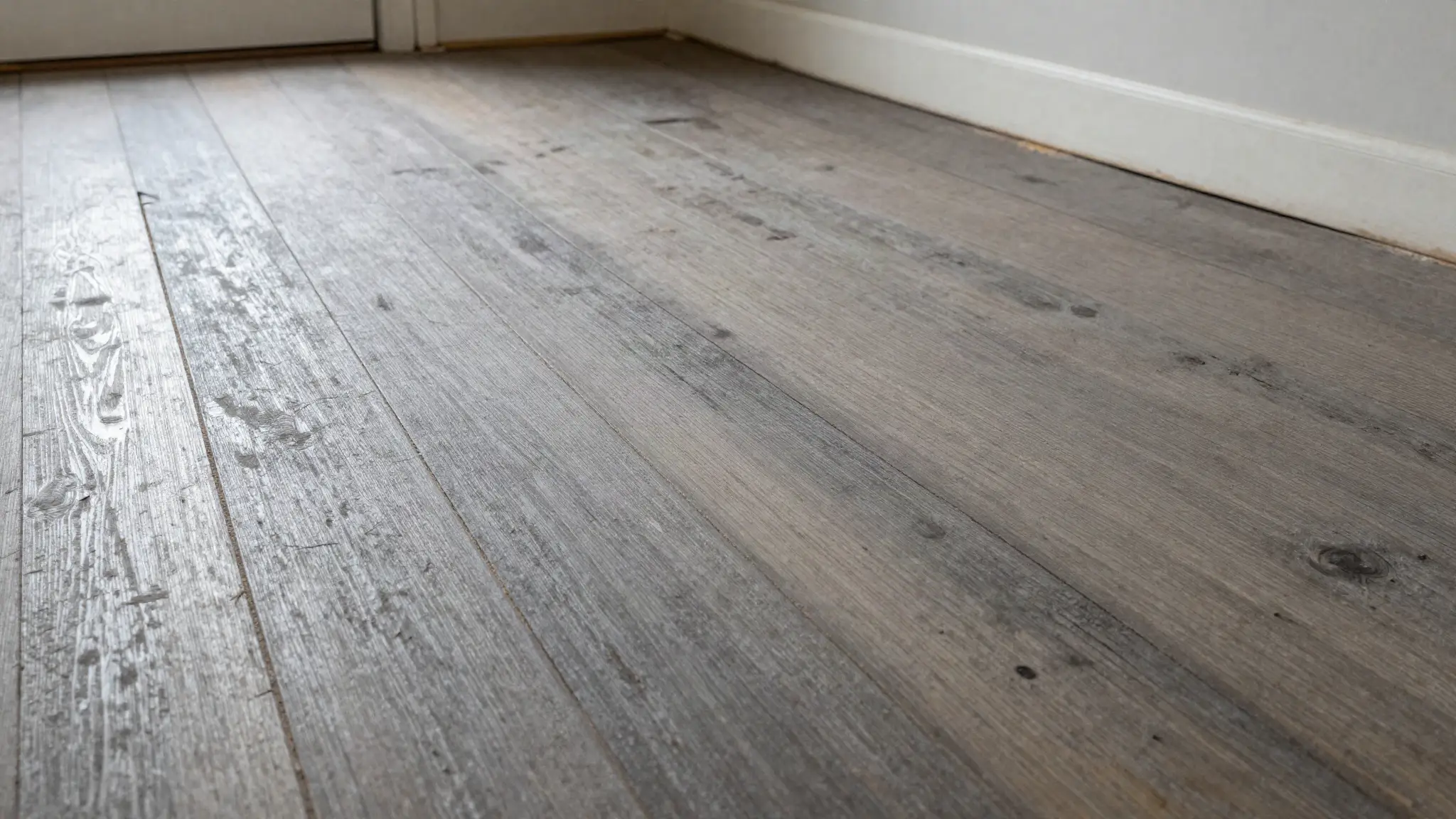
We're based in West Long Branch and work all over Monmouth and Ocean County, which means our floors live in a humid, salt-air climate. High humidity does a number on a worn finish faster than you'd think, and it's a big reason we hear "the floor just looks gray and dull" so often from Shore homeowners. The good news: that washed-out, filmy look in traffic lanes is usually exactly what a recoat fixes — before the humidity-driven wear ever reaches the wood. Staying ahead of it with a refresh is real money saved on the Shore.
Recoat or refinish: how to decide
Stand in the middle of the room and look at the worst traffic lane — the path to the kitchen, the doorway, the spot in front of the TV.
**A recoat is right when:** - The finish is dull or lightly scratched, but you can't see or feel bare, gray, or exposed wood anywhere. - The damage is all at the surface — it's the topcoat that's tired, not the boards. - You're keeping the same color and sheen. A recoat adds clear topcoat; it can't change the color. - You want the lighter-mess option, which matters if you're living in the home during the work.
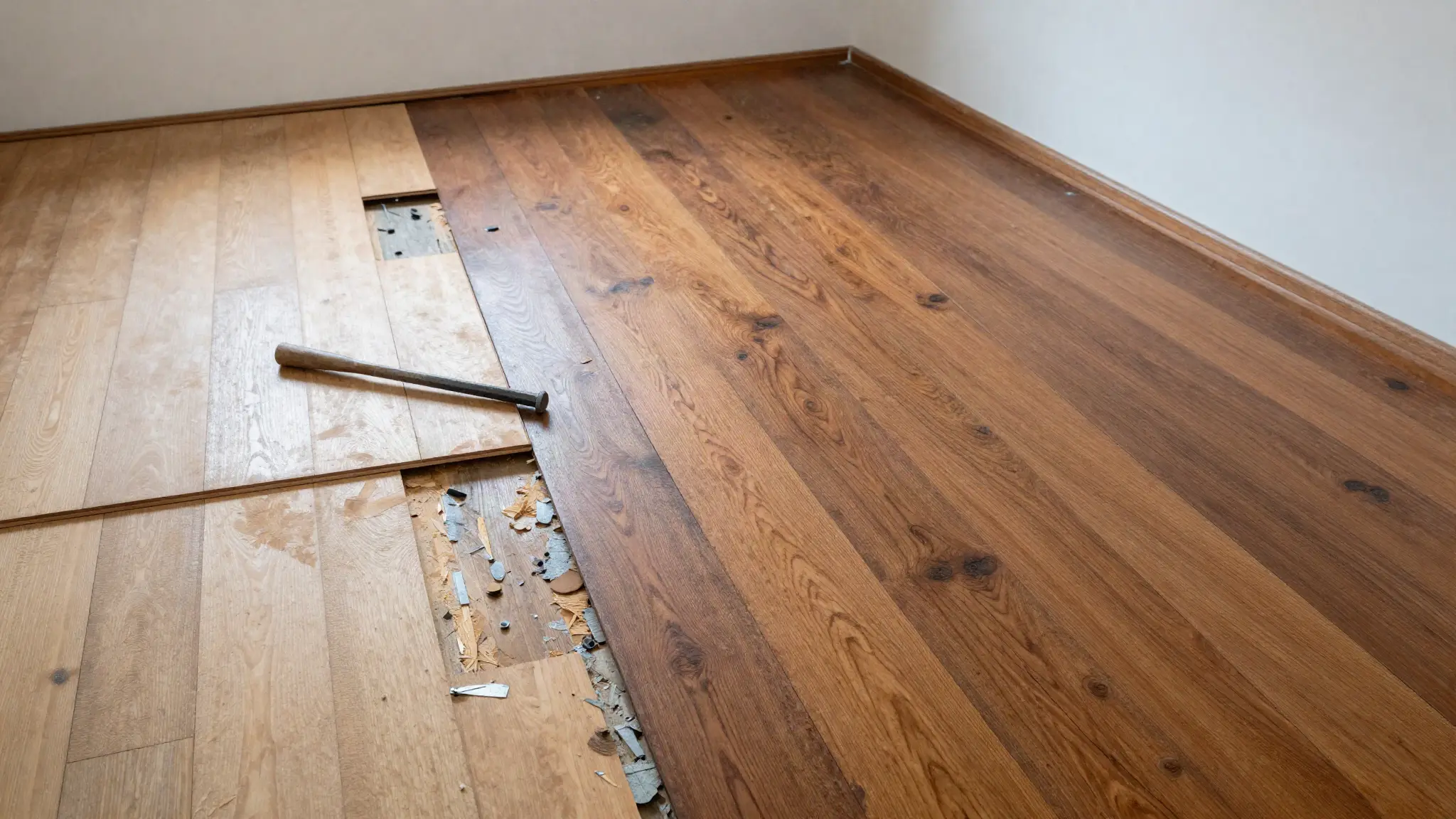
**A full refinish is right when:** - You can see bare or gray wood in the traffic lanes, by sinks, or at doorways — the finish has worn all the way through. - There are deep scratches or gouges that a light scuff can't abrade out, or your fingernail catches wood rather than finish. - There are dark water rings, stains that have reached the wood, or pet urine damage underneath the topcoat — a recoat would just seal those marks in. - You want to change the stain color.
The NWFA is explicit that recoating is not a fix for visible dents, wear patterns, or boards that are permanently cupped — once the damage is in the wood itself, only a full sand addresses it.
We also make the opposite case honestly: a recoat works only while the finish is intact. If the floor is already worn to bare wood, patching a recoat over the top would leave visible patches where the new finish bonds to bare boards. That's not a bargain — it's a floor that still needs sanding.
How often should you recoat?
There's no fixed number of years — it depends on the finish, the traffic, and how the floor is cleaned. Judge by the finish's condition, not the calendar. When the high-traffic areas look dull or lightly scratched but no bare wood shows, a recoat is due. For many households that falls every few years. Scheduling recoats before the finish wears through is the single most effective way to extend the life of your floor — and because it adds no wood loss, a well-maintained solid hardwood floor can serve a household for generations. (If you're unsure whether you're looking at a tired finish or worn-through wood, our refinishing signs post walks through each symptom.)
Why not just DIY it?
Recoating sounds simple, but it's the kind of job that looks easy until a single mistake — an unrecognized wax or incompatible finish, a skipped test patch, a screen that cuts too deep — turns into a floor that won't dry right or shows swirls. The NWFA's guidance is that resanding, abrading, and recoating is a job best performed by a wood flooring professional. We screen-and-recoat as part of our sanding and refinishing service, with the same dust-containment and prep care we bring to a full refinish — so when the day finally comes that the floor needs the real sand, it's on a healthy, well-maintained base.
The bottom line
Ask one question before you spend anything: is the damage in the finish, or in the wood? Finish-only trouble means a fresh coat can bring the shine back for a fraction of the cost and time of a full sand. Wood-level trouble — worn-through lanes, deep scratches, stains — means a recoat won't hold, and a full refinish is the real answer. If you can't tell from looking, that's exactly what our free in-home assessment is for. We'll check the condition of the finish and the boards, show you which option your floor actually needs, and give you a straight quote for it — no pressure, no unneeded sanding. (And when you're weighing repair versus replacement down the road, our replace-vs-refinish guide covers that decision too.)
Frequently Asked Questions
How much cheaper is a recoat than a full refinish?
A recoat is significantly cheaper than a full refinish because it removes no wood and takes less time — we lightly scuff the existing finish and add fresh topcoat instead of sanding to bare wood. It's still a job best left to a professional, and it buys years of life before any refinish is ever needed.
Can you recoat a hardwood floor more than once?
Yes. Because a recoat touches only the top layer of finish and removes essentially no wood, it doesn't count against the sandings a floor has left in it. Homeowners who recoat on schedule, before traffic wears through to bare wood, keep the same boards for decades.
Will a recoat fix water stains or pet urine stains?
Usually not. Once a stain or dark ring has reached the wood, a recoat only seals it in — the mark stays visible underneath the new topcoat. Water rings, deep gouges, and pet urine damage generally need a full sand-and-refinish so the affected wood can be treated or removed.
How often should hardwood floors be recoated?
There's no fixed number of years; judge by the finish's condition. When the traffic lanes look dull or lightly scratched but no bare or gray wood shows anywhere, a recoat is due. Staying ahead of wear means a refresh every few years keeps the finish intact without ever forcing a premature full sand.