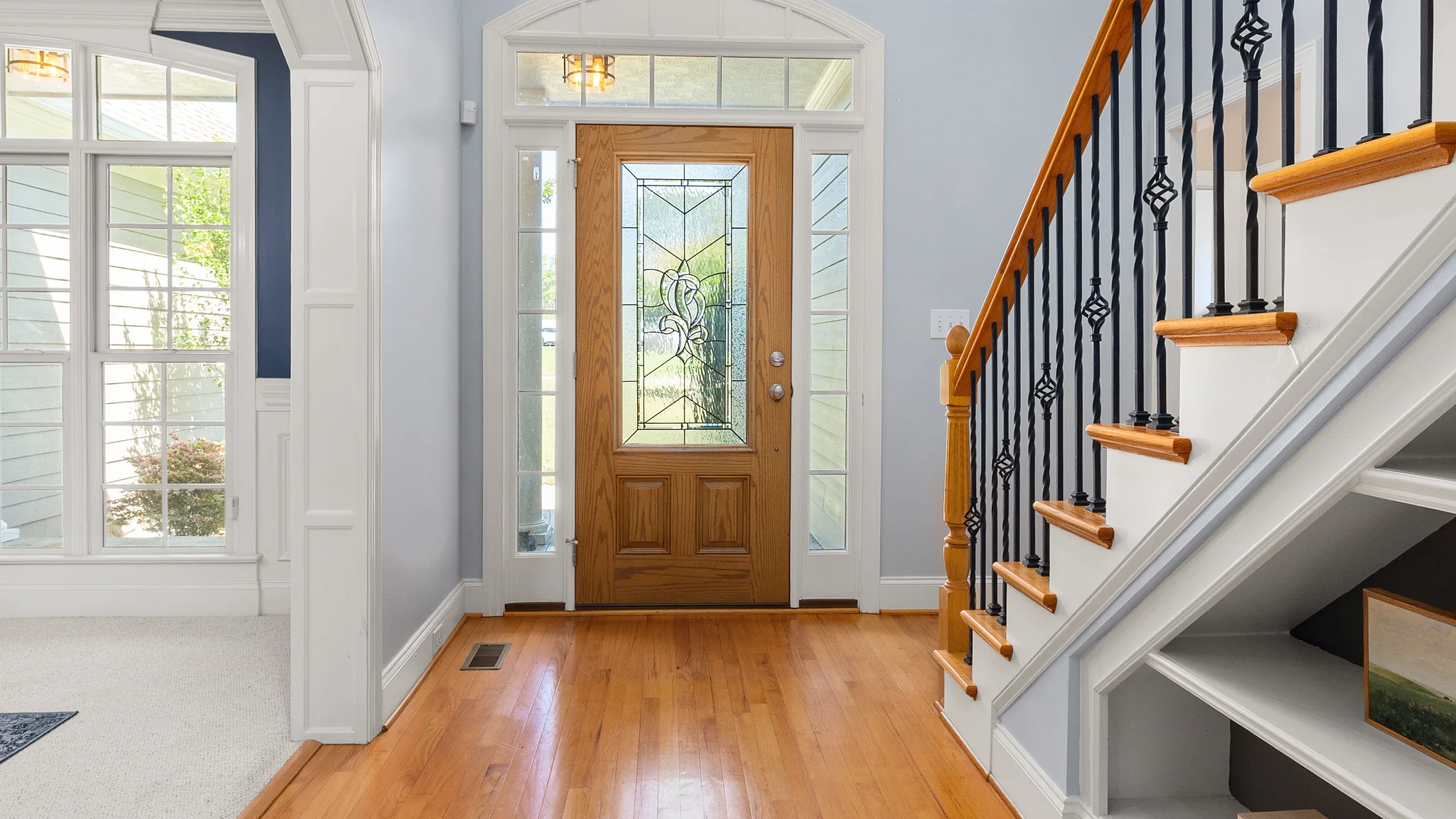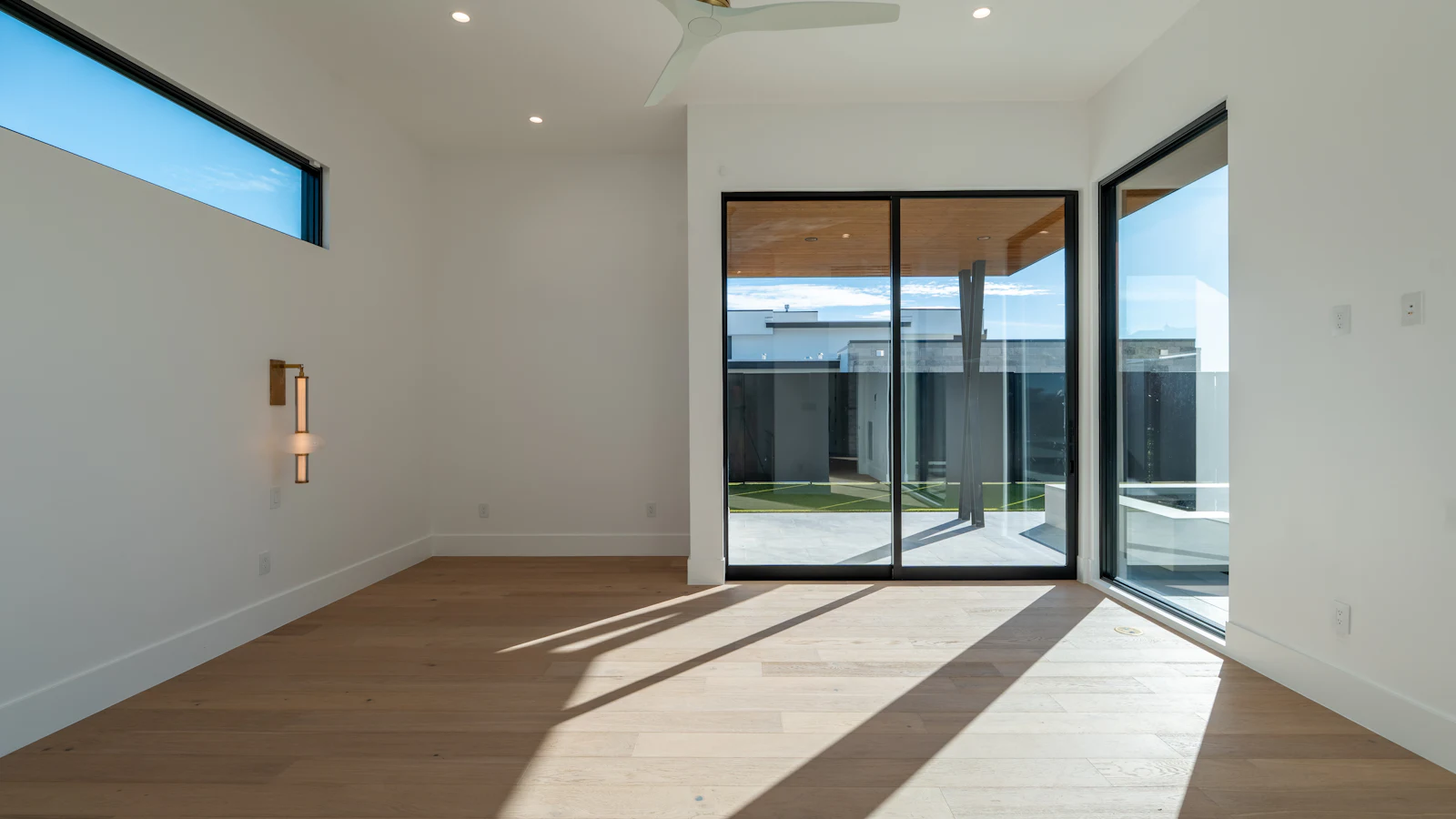
Adding a room, repairing storm damage, or opening up a wall between two spaces floored years apart all lead to the same question: can the new hardwood actually match what is already there? Usually yes, closely — but an exact match is a harder job than matching a stain color off a can, and it is worth knowing why before you order material.
Why an exact match is harder than it sounds
The floor you are matching to is not the color it was on installation day. Every wood floor shifts in tone over years from light exposure, foot traffic, and the finish itself ambering slightly, especially with an oil-based topcoat. A brand-new board in the same species and the same stain can still read slightly different next to a floor that has lived in the house for a decade, simply because one of them has aged and the other has not.
Species and cut matter more than the stain color
Two boards can carry the identical stain name and still look different if the underlying wood grain is different. Oak's grain pattern reads differently depending on whether it is plain-sawn, quarter-sawn or rift-sawn, and mixing cuts under the same stain produces a visibly inconsistent floor even though every can label matches. Matching starts with identifying the existing floor's species and cut correctly — not assuming, since a lot of older Monmouth County homes have oak that looks similar to modern red oak but is a different cut entirely.
Sunlight and age change the target you are matching
A floor near a sun-facing window fades and ambers faster than the same floor in a shaded room, which means the "correct" match can genuinely vary room to room in the same house. We match to the specific area the new floor will sit against, not to a sample taken from a completely different room, because those two spots may no longer be the same color even though they started out identical.
The sample board test
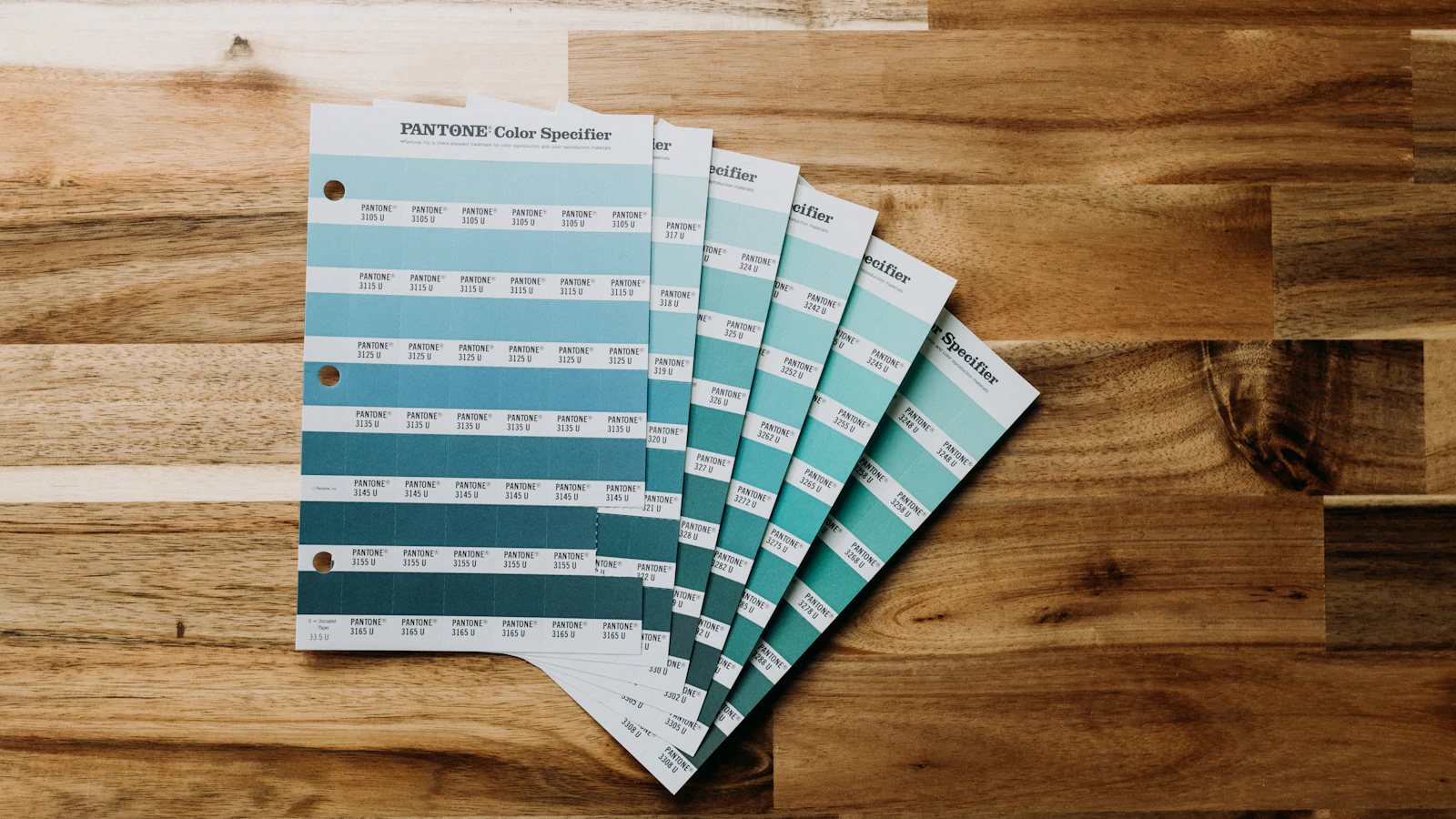
Before committing to a full room, we stain a sample board and lay it directly against the existing floor in the actual room, in the actual light, and look at it over a day rather than under a single showroom light. Lighting changes how close a match reads more than almost anything else — a pair of boards that look identical under warm evening light can show a visible difference in flat daylight. This step is what actually prevents a mismatched addition, not a paint-chip-style stain comparison.
When blending beats matching
On some additions, especially older homes with hardwood original to the house, the honest answer is that an invisible seam is not realistic — the existing floor has decades of aging a new board cannot fake. In that case, the better result is often a deliberate transition (a threshold, a change in plank direction, a border) rather than chasing a seamless match that will always read as slightly off close up. We would rather tell you that up front than sell a "perfect match" that disappoints once it is installed.
What we do on an addition or repair
We identify the existing species and cut, pull the color target from the specific room the new floor borders, and test a sample board on-site before ordering material for the full job — and if a true seamless match is not realistic for your floor, we will say so and talk through the blending options instead. See our hardwood flooring page, read about engineered versus solid if the addition involves a different subfloor than the original room, or book a free in-home assessment anywhere in Monmouth and Ocean County.