Which Flooring Is Right for Your Home?
Five quick questions about the room, your pets, moisture and budget. We match you to the floor we would actually recommend, with the price range for Monmouth & Ocean County.
- 4.9/5 Google rating
- 8+ years in the trade
- 1,500+ floors installed
- Licensed & insured

The right floor depends on the room first. For most kitchens, bathrooms and basements in New Jersey, the real choice is porcelain tile or waterproof luxury vinyl plank; solid hardwood is not a below-grade option. In living areas, solid or engineered hardwood leads, and near the shore engineered hardwood or LVP handles humidity better than solid wood. With big dogs, LVP is our strongest all-around pick.
How We Match a Floor to Your Home
1 The room comes first
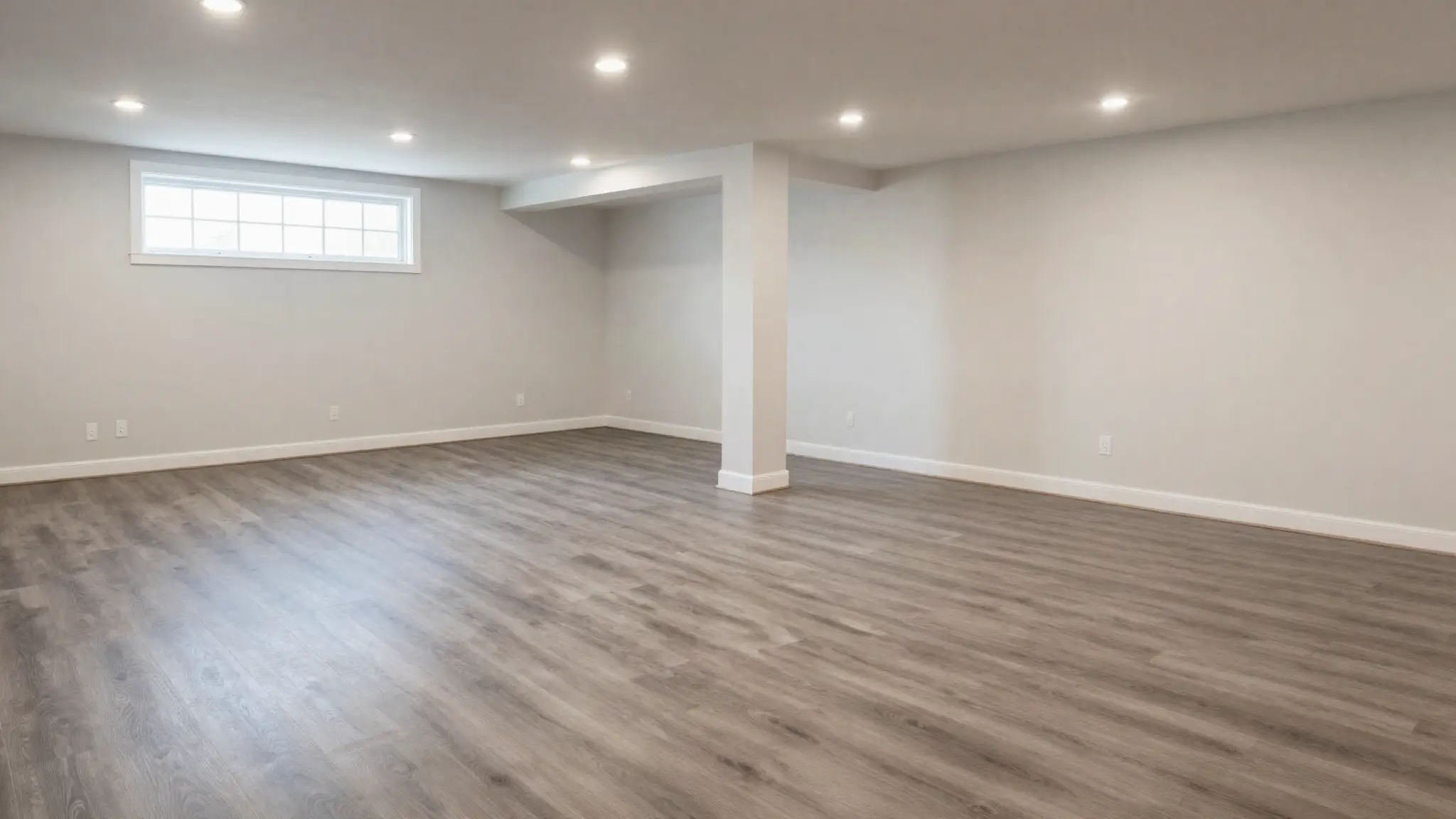
Kitchens, bathrooms and basements narrow the choice to tile and waterproof LVP before anything else. Solid hardwood is not a below-grade floor.
2 Pets change the ranking
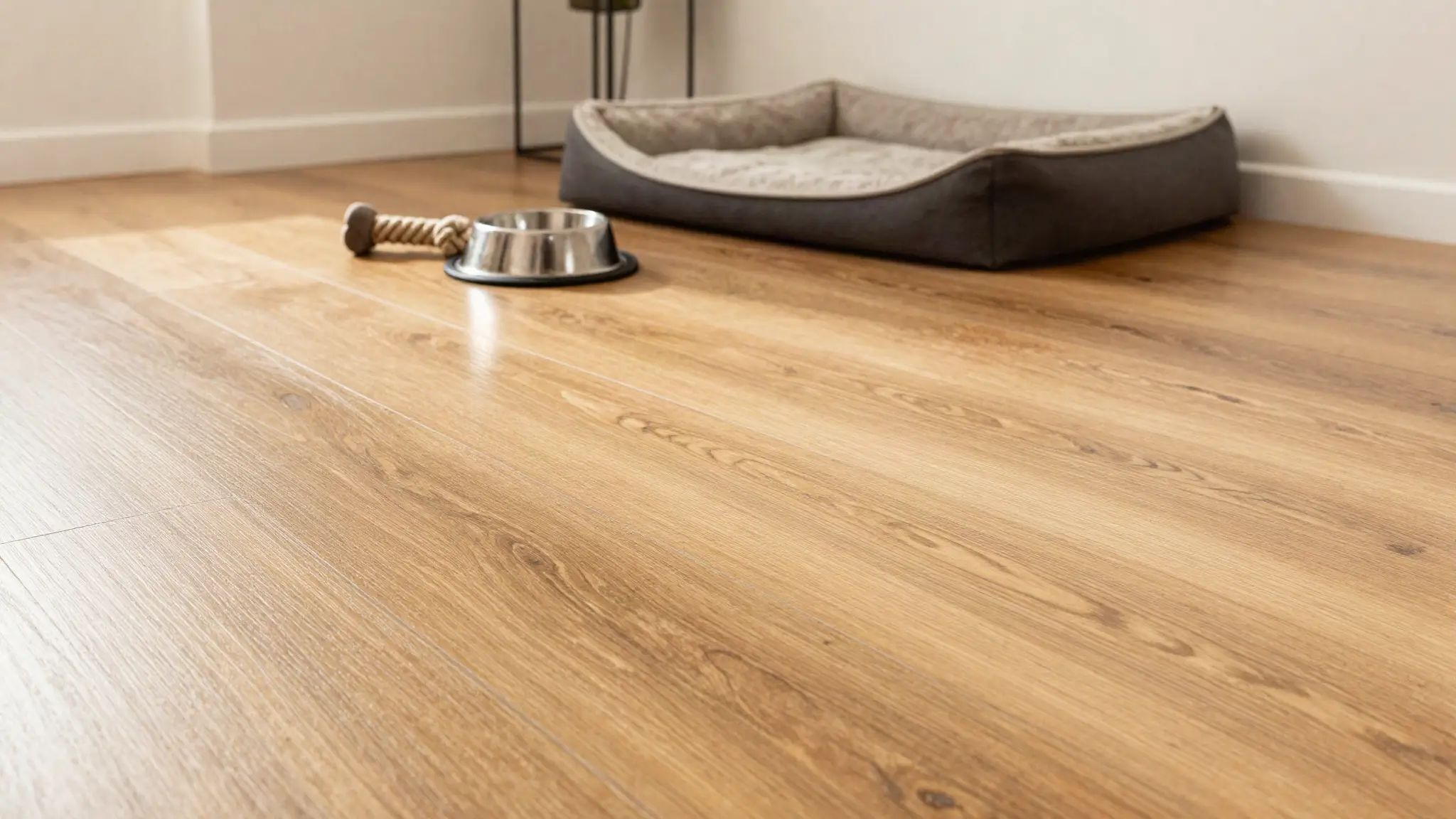
Claws, accidents and traction all matter. LVP handles accidents best; hardwood works with a harder species and realistic expectations.
3 Distance from the water
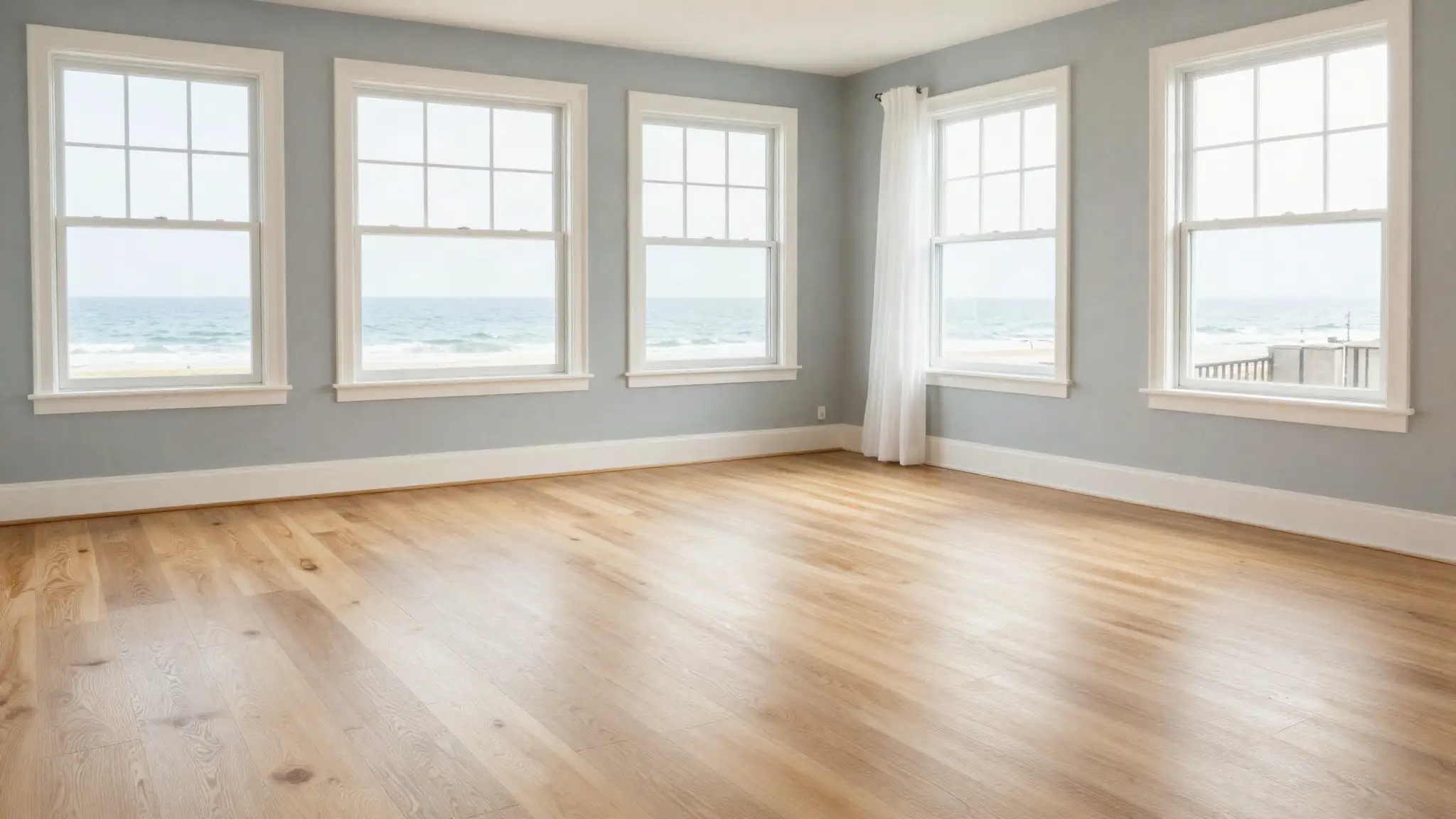
Within a mile or two of the ocean or bay, humidity swings favor engineered hardwood or LVP over solid wood.
4 Comfort underfoot
Tile is the coldest floor without radiant heat. LVP has a slight give and holds more warmth.
5 Budget, honestly
Vinyl and laminate start around $4 per square foot installed and hardwood around $5.50; tile labor alone is $8 to $12 before the tile.
How Your Free In-Home Estimate Works
We call you back
Within one business day, a real person sets a time that suits you. Evenings and Saturdays are usually fine.
30–45 minute visit
We measure every room, check what is under the current floor and look at stairs, transitions and moisture.
Written quote on the spot
Itemised by room and line, no pressure to sign, and the price holds for 30 days.
Choosing Flooring: Questions We Get
For most NJ kitchens, porcelain tile or luxury vinyl plank. Tile is the most water-proof and durable; LVP is waterproof, warmer underfoot and costs less. Hardwood works too, with honest tradeoffs around water at the sink and dishwasher.
Waterproof LVP or tile. Solid hardwood is not a below-grade option. Engineered hardwood is sometimes viable in a dry, well-managed basement with a real vapor barrier and humidity control.
For most dog households, rigid-core LVP sold as waterproof, because accidents wipe up instead of soaking into the plank. Hardwood is livable with a harder species and the expectation of some surface scratching.
Usually yes. Its plywood core handles humidity swings better than solid wood while still giving you a real hardwood wear layer. For rooms with any flood risk, waterproof LVP is the more resilient choice.
It is a close call. Tile with a waterproofing membrane is essentially impervious at the surface and reads as the premium finish; LVP is waterproof at the plank level, warmer and has no grout to maintain.
It follows the same rules our guides lay out, but we confirm it on the free in-home visit, where we check moisture, the subfloor and how the room is used.
The Guides Behind the Quiz
Related Services
Serving 22 towns across Monmouth County and Ocean County from West Long Branch. See the full service area list.
Turn your ballpark into a real price
One short visit, a written quote before we leave, and no pressure. Monmouth & Ocean County homeowners, this is the fastest way to an exact number.