Every pet owner asks the same question during a free quote: "what actually holds up to a dog?" Here's the honest ranking, not the marketing-brochure version.
What actually damages floors: claws, accidents, and traction
Three things matter for a pet-friendly floor: scratch resistance from claws (especially larger or more active dogs), how the material handles accidents before they stain or damage the surface below, and traction — older dogs in particular benefit from a surface that isn't slippery underfoot. The Dog Aging Project notes that slippery floors are often challenging for older dogs to navigate, which matters more than most owners expect until a senior dog starts struggling on hardwood or tile.
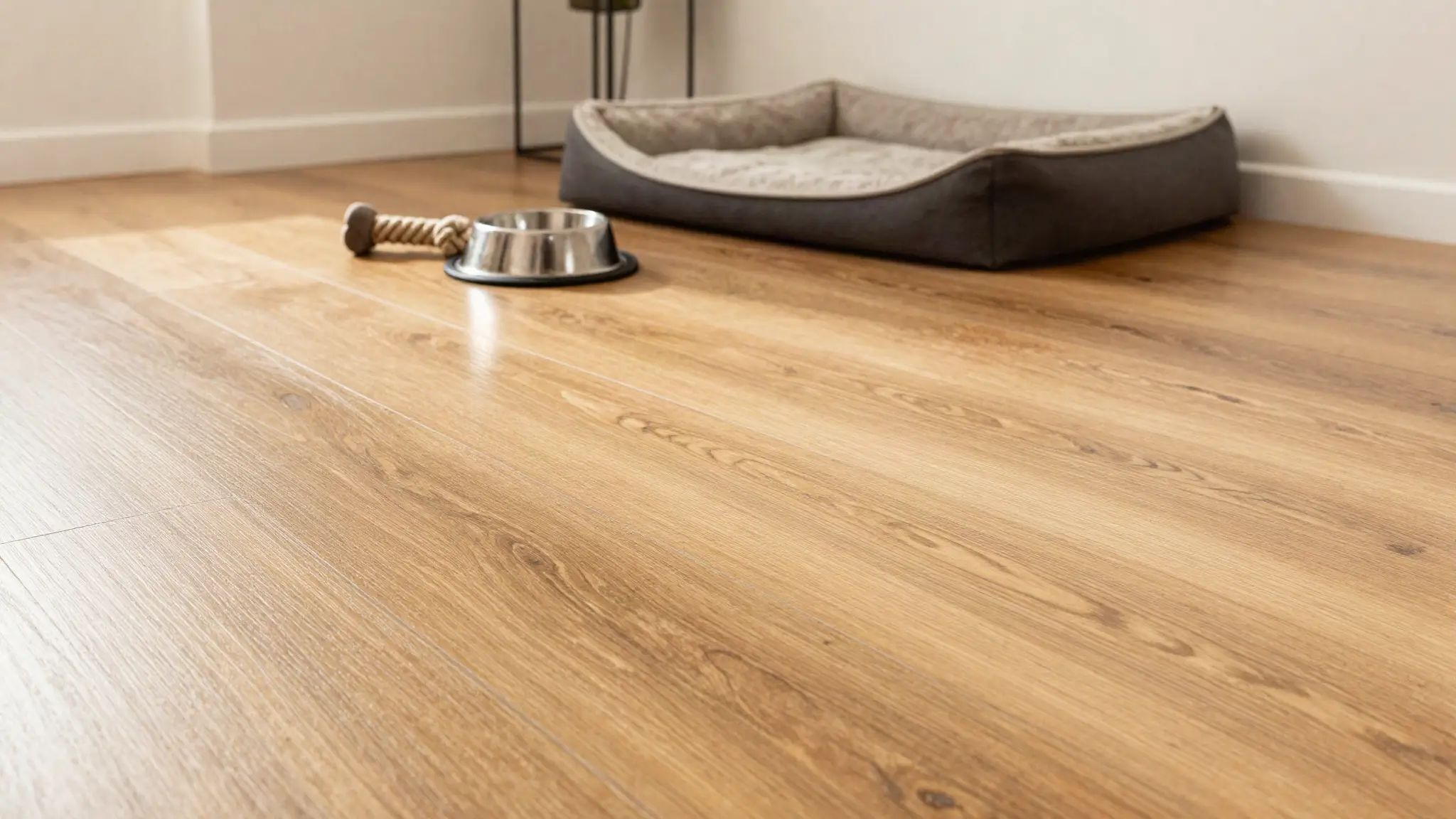
LVP: the strongest all-around choice for pet households
Rigid-core LVP sold as waterproof lets accidents wipe up instead of soaking into the plank. That protection stops at the plank: Shaw's installation instructions for its SMARTCORE rigid-core flooring say the flooring is waterproof, then warn that excessive moisture in the subfloor could promote mold, mildew and other moisture-related issues. Wipe up accidents promptly. For most pet households, especially with dogs, this is genuinely our top recommendation because of how well it handles accidents.
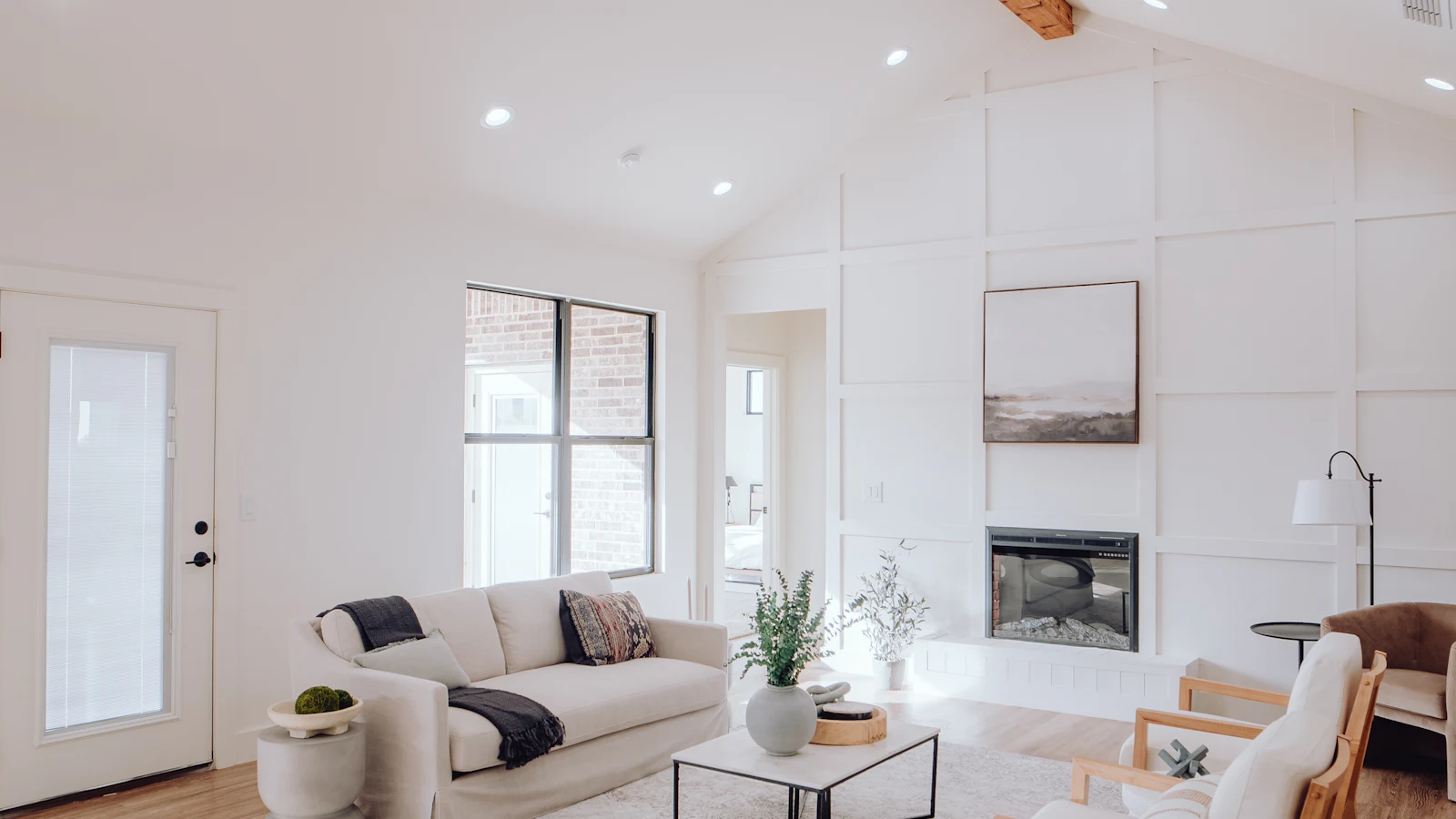
Hardwood: livable with the right species and care
Hardwood isn't off the table for pet owners, but it needs the right setup: a harder wood species and realistic expectations that some surface scratching will happen over the years. The Janka rating measures a wood's resistance to indentation, and it varies a lot by species: The Wood Database lists shagbark hickory at about 1,880 lbf and white oak at about 1,350, against about 950 for black cherry and 380 for eastern white pine. The National Wood Flooring Association (NWFA) lists dog claws among the things that can leave indentations, says surface finishes minimally influence them, and advises keeping pet claws trimmed. Regular care keeps it looking good between refinishes — see our maintenance guide for the specifics.
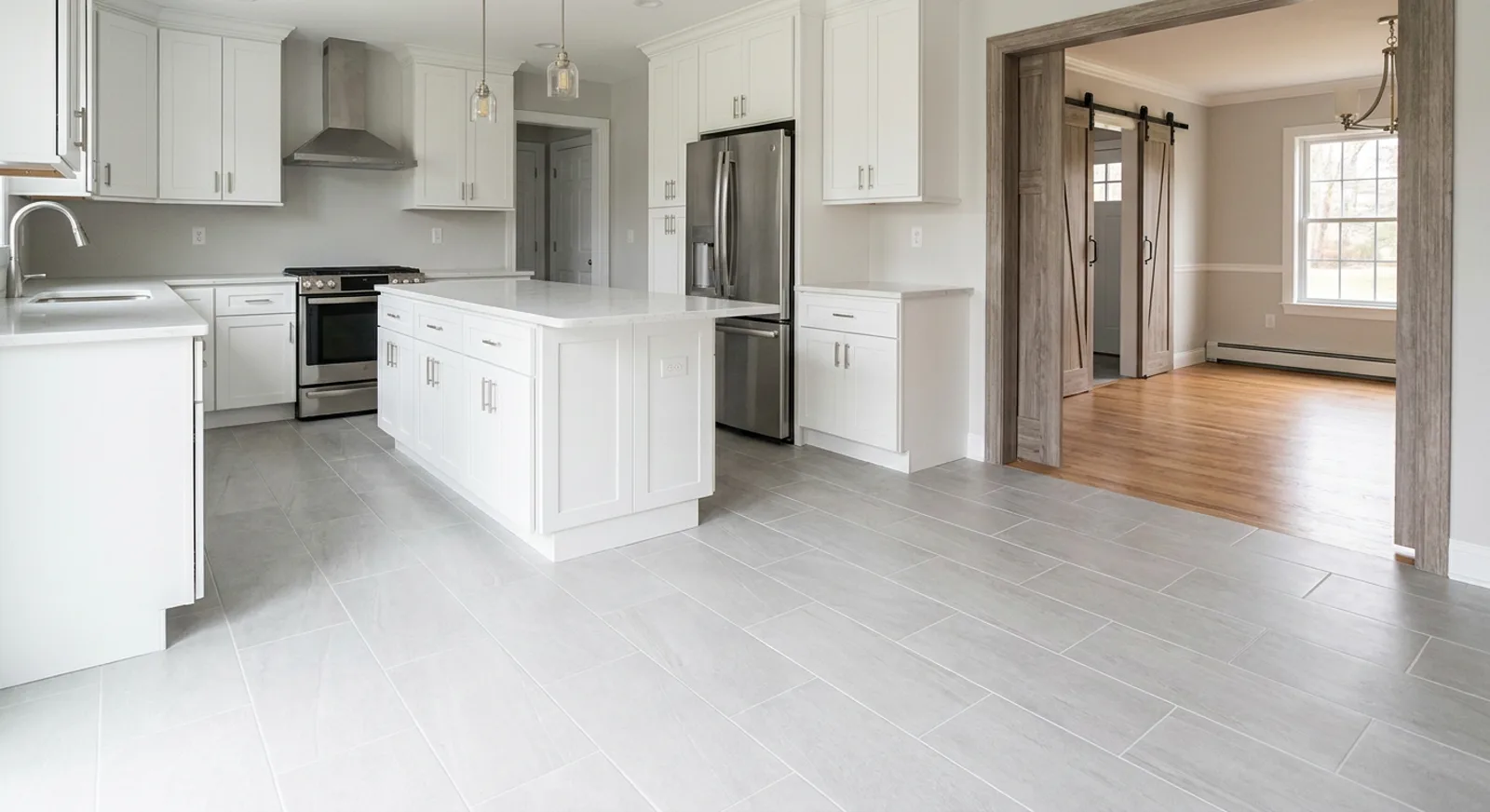
Tile: easy to clean, but watch the traction
Tile handles accidents easily, but it can be slippery for pets without area rugs providing traction, especially on stairs or in high-traffic hallways.
A note on stairs for senior pets
Stairs are where slippery flooring becomes a real safety issue rather than just an annoyance, especially for older dogs with arthritis or reduced mobility. A textured, non-glossy tread finish and secure stair and handrail work makes a bigger difference for an aging pet's confidence and safety than most owners expect — it's worth mentioning during your quote if this applies to your household.
What we'd actually recommend
For most households with dogs, waterproof LVP with a textured, non-glossy finish is the safest bet across the whole house. For households with cats or smaller, calmer pets, hardwood with a durable finish is very livable. See our LVP options, or get a free in-home quote and tell us about your pets specifically — it changes our recommendation more than people expect.
Sources & Further Reading
- National Wood Flooring Association, Wood Flooring Installation Guidelines (2025): Protection (p. 150) and Repair, indentations and Janka hardness (p. 153)
- The Wood Database: Shagbark Hickory (Janka hardness)
- The Wood Database: White Oak (Janka hardness)
- The Wood Database: Black Cherry (Janka hardness)
- The Wood Database: Eastern White Pine (Janka hardness)
- Dog Aging Project, Mobility Tips and Tricks for Senior Dogs
- Shaw Industries, SMARTCORE rigid-core (SPC) installation instructions, rev. 12112020 (copy hosted by Lowe's)