The floor care advice you'll find online is written for any hardwood floor anywhere — it doesn't account for the humidity swings a shore-area home deals with, and some of it is flatly wrong for modern polyurethane finishes.
What to actually clean with (and what to avoid)
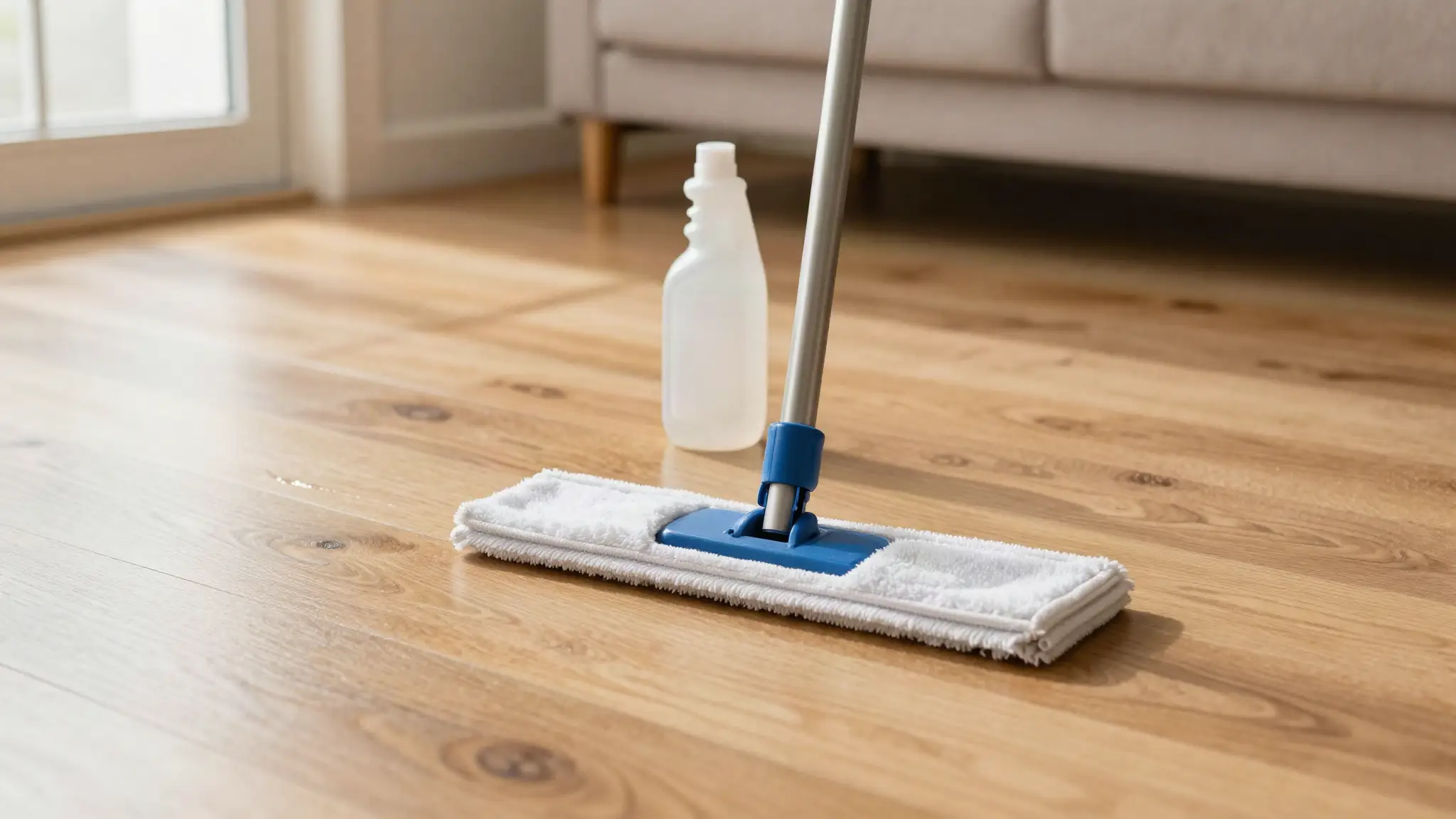
A dry dust mop for daily dirt and a cleaner your flooring or finish manufacturer recommends for deeper cleaning is really all you need. The National Wood Flooring Association (NWFA) advises sweeping or dust-mopping frequently, since grit can be ground into the finish. Skip steam mops entirely: the NWFA says not to use steam cleaners on wood floors, because water in vapor form can penetrate the wood fibers and cause irreversible damage to the wood and the finish. Skip vinegar-and-water mixes too, despite how often they're recommended online; the NWFA says vinegar is acidic and will degrade the floor finish.
Protecting the finish day to day
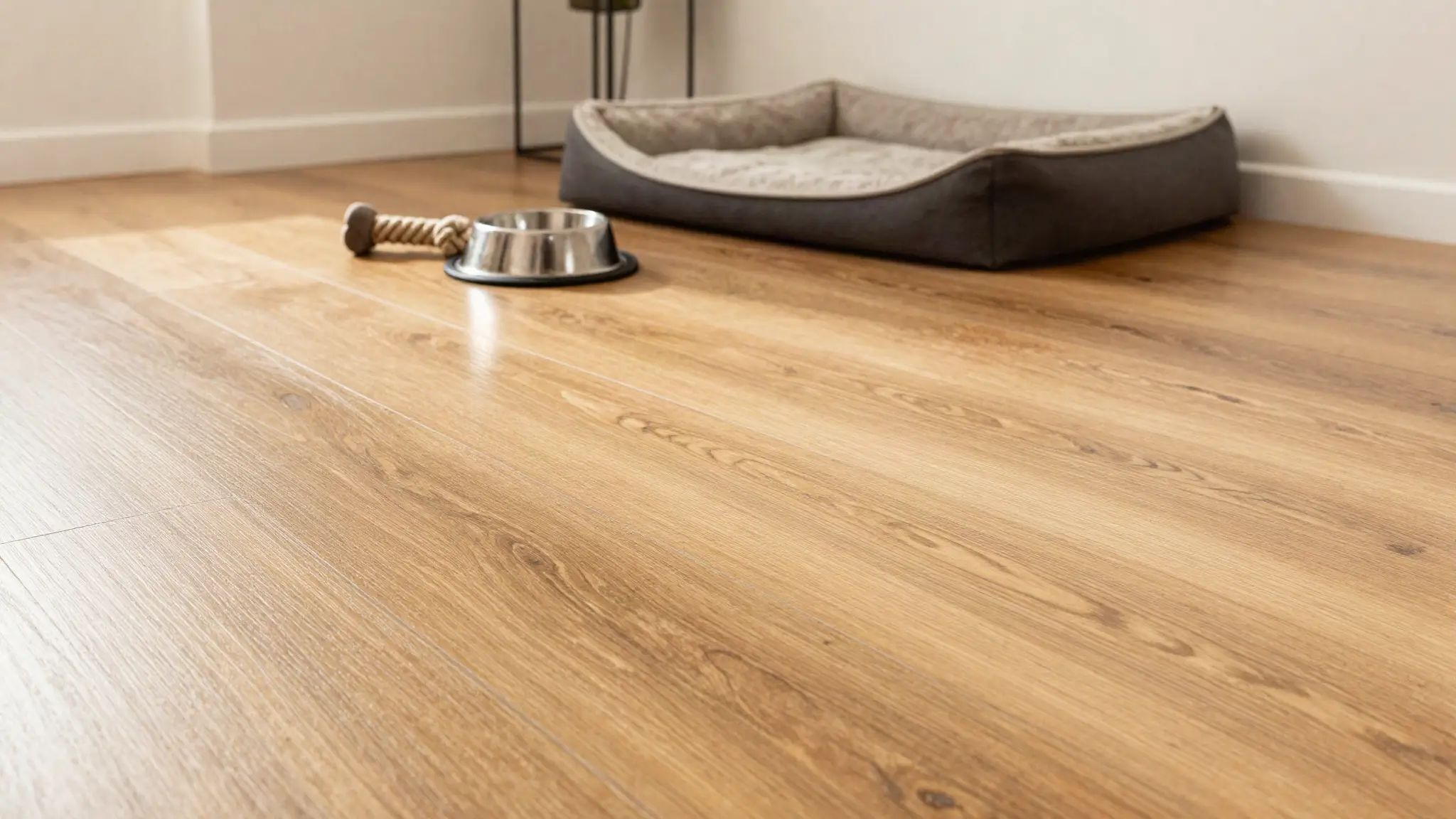
Felt pads under furniture legs, a no-shoes policy or at least a mat at entry points, and trimmed pet nails all help prevent the scratches that eventually require a refinish; the NWFA recommends fabric-faced glides under furniture, breathable throw rugs at doorways to catch grit, and keeping pet claws trimmed. Sunlight can change the color of some wood species, and an area rug shades the floor beneath it, which the NWFA notes results in color differences in the wood, so rotating rugs and using window coverings during peak sun helps keep color even across a room.
Managing humidity, especially near the shore
Homes near the water deal with more extreme humidity swings than the flooring-care articles written for the average American home account for. A humidifier in winter and a dehumidifier or AC management in summer help keep your hardwood from gaining or losing moisture, which the NWFA says minimizes floor movement such as seasonal gapping or cupping — see our shore humidity post for more on why this matters more here than elsewhere.
When cleaning isn't enough anymore
If the finish looks dull or scratched despite good care, that's usually a sign it's time to recoat or refinish, not a sign you're cleaning it wrong — see our post on the signs a floor needs refinishing for how to tell the difference. Good maintenance extends the years between refinishes; it doesn't eliminate the need for one eventually.
A simple seasonal checklist
Twice a year — heading into summer humidity and again into winter heating season — check for new gaps or seasonal cupping, reapply felt pads that have worn thin, and confirm your humidifier or dehumidifier is actually keeping pace. Catching a humidity problem after one season is a maintenance conversation; catching it after several is usually a refinishing conversation.
Keeping it simple
Dust mop regularly, use the right cleaner, manage humidity, and don't skip felt pads. That's genuinely most of it. If your floor needs more than cleaning can fix, a free in-home assessment will tell you honestly whether that's a recoat, a full refinish, or just a different cleaning routine.