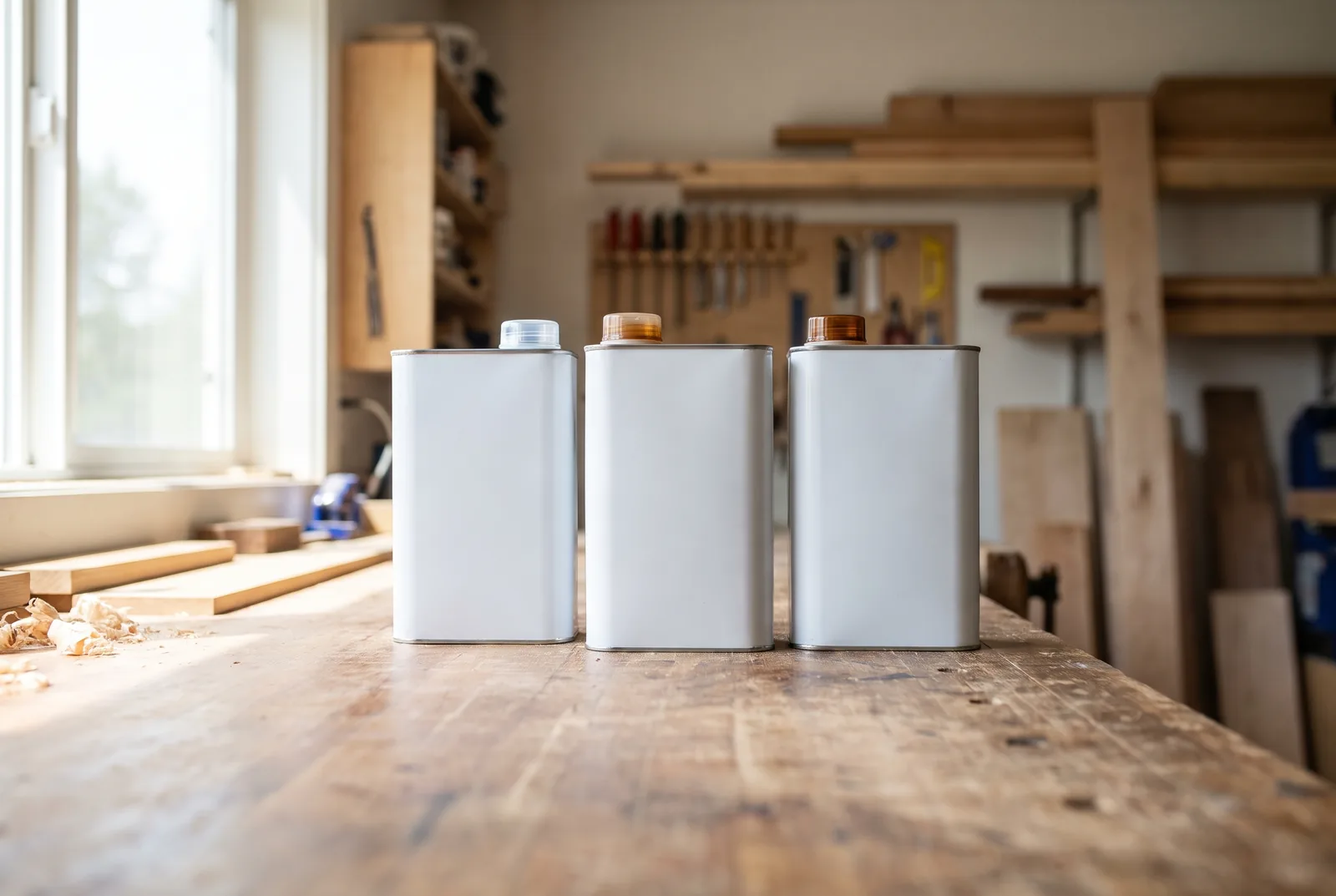
DuraSeal has been on residential hardwood floors since 1898, and most NJ stained floors go through the Quick Coat line at some point in their refinishing history.
The product is called a penetrating finish for a reason. It colors the wood, seals the surface and leaves a film that can be topcoated in two hours, all in one step.
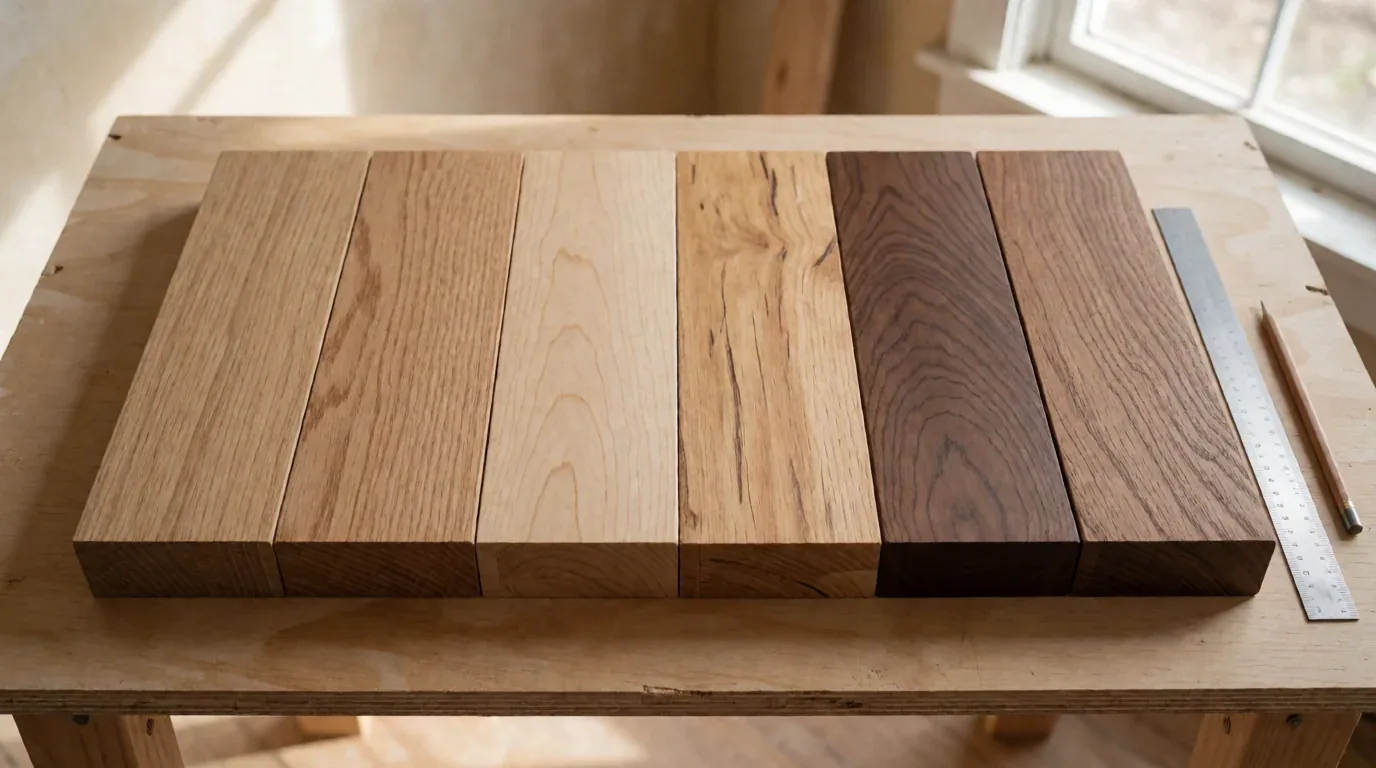
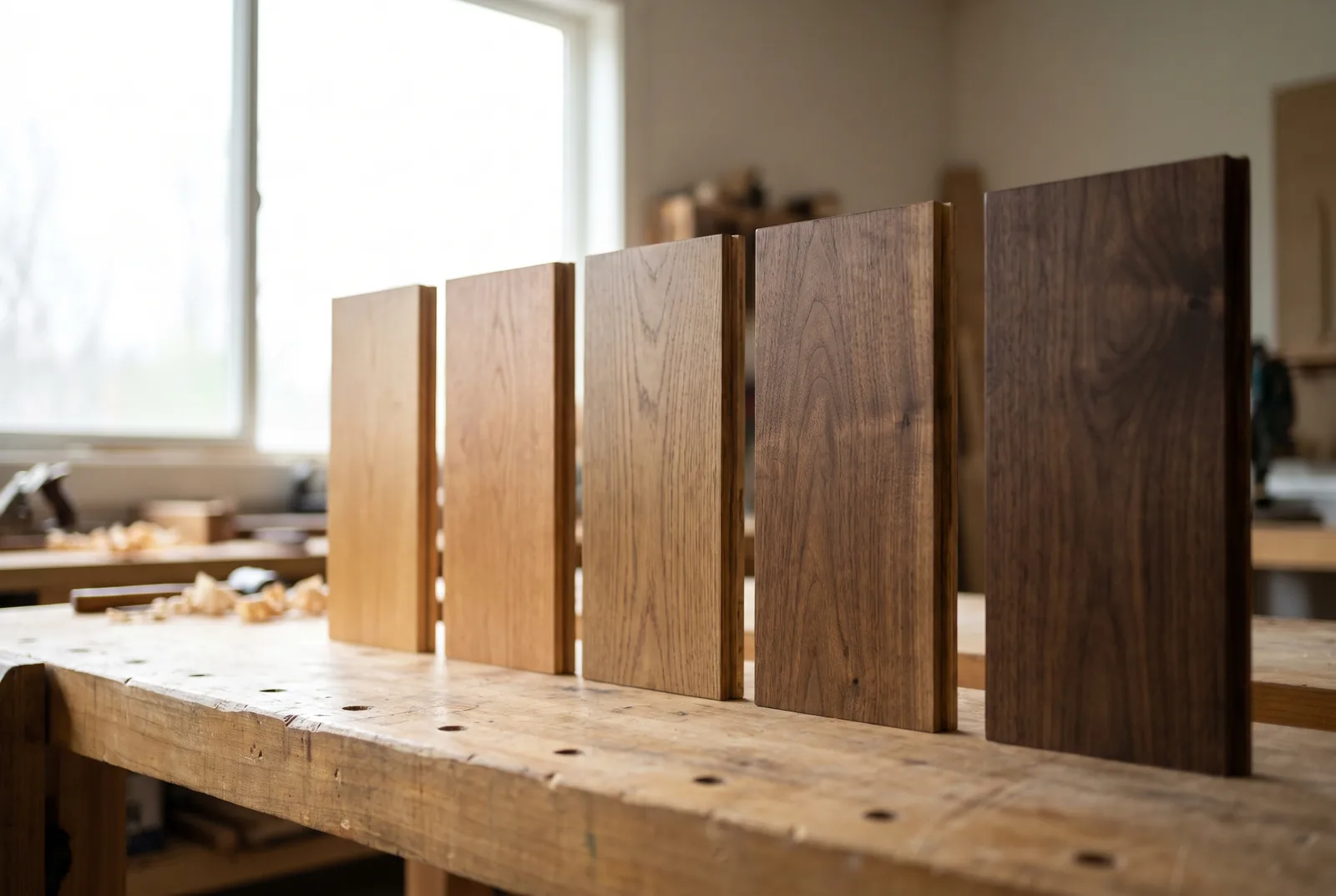
The DuraSeal color gallery shows what each of the 36 colors reads like on white oak and on red oak, which is the only honest way to pick a stain color before the floor is started.
Thirty-six sounds like a lot, but the line splits cleanly into two collections that share the same chemistry and the same data sheet.
Timeless is the warm-brown side of the line. These are the colors that read as classic residential hardwood in NJ: medium browns with a touch of red, gold or amber.
The Timeless list runs Nutmeg, Chestnut, Royal Mahogany, Provincial, Golden Oak, Antique Brown, Golden Brown, Coffee Brown, Special Walnut, Red Mahogany, Medium Brown, Early American, Ebony, English Chestnut, Cherry, Spice Brown, Rosewood, Colonial Maple, Fruitwood, Sedona Red, Golden Pecan and Gunstock.
Inspired is the modern side: grays, washes, charcoals and the off-black tones that have been driving residential design for the last decade.
The Inspired list runs Country White, Weathered Oak, Dark Walnut, Classic Gray, Espresso, Jacobean, Silvered Gray, Rustic Beige, Warm Gray, Dark Gray, Aged Barrel, Heritage Brown and True Black.
Several of the Timeless colors are listed in the color card as certified Minwax equivalents, which means a homeowner who knows a Minwax color from a piece of furniture can match it on the floor.
Special Walnut, Early American, Provincial, Jacobean, Dark Walnut, English Chestnut, Red Mahogany, Cherry, Golden Oak and Classic Gray all carry the Minwax match on the color card.
Neutral is the only color that does not read as a color on its own. It is the base that lightens any other color in the line when the result on the species comes out too dark.
If Provincial on red oak is reading too brown for the room, a 50-50 mix of Provincial and Neutral pulls it back. The mix ratio is in the color card.
The gallery view on the DuraSeal site is the cleanest way to compare colors, because each swatch sits on both white oak and red oak in the same image.
Red oak is the most common NJ floor species for a refinish, and the gallery shows how each color reads on it. White oak is the second most common, and the gallery covers that view too.
The same color reads differently on the two species. White oak pulls green-gray undertones in the Inspired colors and warmer honey tones in the Timeless colors. Red oak pulls red.
Maple and birch take stain unevenly. The blotching risk is real, and the DuraSeal data sheet does not list an anti-blotch additive in Quick Coat. The lever is prep, not the product.
On maple, the data sheet points to NWFA sanding methods, which means a final pass with a finer-grit screen and a careful tack with mineral spirits before the stain goes on.
A test board on a scrap of the actual maple being used is the only way to know what the color will look like before the floor is started.
The Quick Coat sell sheet lists the numbers a contractor works from. Solids 33 to 42 percent, viscosity 22 to 65 centipoises, coverage 500 square feet per gallon.
VOC is 550 grams per liter, working temperature is 50 to 90 degrees Fahrenheit and humidity below 80 percent. Shelf life is two years in unopened container at room temperature.
The sell sheet confirms GREENGUARD Certification for low chemical emissions. Cleanup is paint thinner or mineral spirits, not water.
The data sheet calls for one or two coats. The first coat goes on at 500 square feet per gallon, the optional second coat at 800 square feet per gallon.
Application is straightforward and the steps are specific. Sand and prepare the floor per NWFA-recommended methods, finish with a 100-grit screen on the last cut.
Vacuum the floor, then tack with a clean cloth moistened with mineral spirits. The tack is what pulls the fine dust that the vacuum leaves behind.
Apply the stain liberally with a brush, lambswool applicator or cloth at 500 square feet per gallon. A buffer works on bigger floors.
Allow the stain to penetrate for 5 to 8 minutes. The penetration window is what sets the color depth. Less time reads lighter, more time reads darker.
Remove all excess material by wiping with clean rags or by buffing with a number 2 steel wool pad. The data sheet calls this step essential for proper dry time and adhesion.
If a second coat is going on, apply it thin at 800 square feet per gallon, allow to penetrate, and remove the excess the same way as the first coat.
Allow the final coat to dry at least two to three hours, then apply a DuraSeal finish coat of choice. The Quick Coat is the color and the seal; the finish coat on top is what takes the wear.
Compatible finishes include DuraSeal DuraClear Max, DuraClear and the Water Based Polyurethane line. The data sheet on each finish lists Quick Coat as a compatible stain.
Each Quick Coat color has a code on the can. The code on the color card matches the code on the retailer listing, which makes reorders and touch-ups straightforward.
On Timeless colors the most-asked-for in NJ are Provincial, Special Walnut, Early American and Golden Oak. These are the four most common residential stain colors on refinishing jobs.
On Inspired colors the most-asked-for are Weathered Oak, Classic Gray and Jacobean. These are the ones that show up on Pinterest boards and on new-construction listings.
The Inspired grays are not the same as a true gray stain. They are warm-tinted grays that read brown-gray under most interior lighting, which is why they hide dust and footprints better than a pure gray.
True Black is the only color in the line that goes on dark enough to lose the grain of the species underneath. It is the right call for a modern loft, and the wrong call for a 1920s colonial.
Country White is the lightest color in the line and the only one that reads as whitewash on red oak. On maple it pulls pink, on white oak it pulls beige.
Two coats of Timeless color over a sealed floor reads as a different color than one coat over bare wood. The data sheet is specific about this: stain over stain is not the same recipe as stain over raw wood.
The sell sheet confirms the stain is for professional use. The chemistry is built for a contractor who knows the NWFA sanding methods and the 5 to 8 minute penetration window.
If the floor has been water-popped, the color reads deeper and more even. Water-popping is a step where the contractor sprays the bare wood with water before the stain goes on, to open the grain.
The DuraSeal color card notes that the gallery images are water-popped and finished with DuraClear Max Flat, which is why the colors on screen look the way they do.
A computer screen and a printer do not match the actual coating color. The color card makes this point on the first page. Pick from a physical sample, not from a screen.
The retailer side of the DuraSeal catalog also lists Antique and Spice Brown as a combo color, and Chestnut and Golden Brown as another combo. These are pre-mixed blends, not single colors.
Most NJ homes that refinish a 1990s red oak floor end up in one of four Timeless colors. The choice is rarely the color; it is the depth of the color.
If the existing floor is red oak and the goal is a refresh rather than a full color change, a slightly darker version of the same color is what the eye reads as new.
The Inspired colors are popular on new-construction white oak, where the wood has not yet been UV-darkened by years of light. On a UV-darkened floor the Inspired gray reads warmer than the gallery shows.
Each color card swatch on the gallery is photographed at the same angle and the same light, so the only variable between swatches is the color, not the photo treatment.
The data sheet lists the stain as a penetrating finish, not a surface film. That distinction matters when the floor is refinished again in 10 or 15 years.
A penetrating stain sands off with the wood. A surface film stain does not, and the color stays in the floor even after a full sand. Quick Coat is the first kind.
That is the practical reason Quick Coat is the default in NJ refinishing: when the next refinish comes, the color goes with the sanding and the homeowner is not locked into the previous color.
The Inspired grays are more sensitive to UV than the Timeless browns. A gray floor that sees direct afternoon sun will shift warmer over two to three years.
UV shift is not a defect. It is the wood and the finish responding to light. The data sheet does not call it out, but every contractor in NJ sees it.
What to ask at the counter before buying: ask for a sample board on the species you actually have, not a generic oak board. The color reads differently on red oak, white oak, maple and birch.
Ask for the topcoat recommendation in writing. The stain is half the system; the finish on top is the other half, and the two need to be compatible.
Ask how long the can has been on the shelf. Quick Coat has a two-year shelf life, and a can that has been in the back room for a year is not the same product.
Ask for the seal date or the batch number. A retailer who knows the date is a retailer who knows the product.
The DuraSeal resources page links the color card, the Quick Coat sell sheet, the pre-packaged stain brochure and the sheen card. The four documents cover everything a contractor needs to spec the line.
The color card and the Quick Coat sell sheet are the two PDFs most homeowners never see. The gallery is the public-facing version of the color card.
If you want to see what a color reads like before the floor is started, the easiest next step is a free in-home sample board. We bring the color card boards to your species and your light.
Call (732) 889-6029 or send the form on the /estimate/ page and we will set a time to come by with sample boards for the colors you are considering.
Frequently Asked Questions
How long does DuraSeal Quick Coat take to dry before topcoat?
Two hours at 77 degrees Fahrenheit and 50 percent relative humidity, according to the Quick Coat sell sheet. Colder rooms, higher humidity or a heavier first coat stretch that window. The data sheet lists two hours as the time to topcoat, not the time to light use. Furniture and rugs wait the full cure of the topcoat that goes over the stain.
What is the difference between the Timeless and Inspired color collections?
Timeless covers the warm browns: Nutmeg, Chestnut, Provincial, Golden Oak, Antique Brown, Special Walnut, Red Mahogany, Early American, English Chestnut, Cherry, Colonial Maple, Fruitwood, Golden Pecan, Gunstock, Sedona Red, Coffee Brown, Medium Brown, Rosewood, Spice Brown, Royal Mahogany. Inspired covers the modern tones: Country White, Weathered Oak, Classic Gray, Silvered Gray, Warm Gray, Dark Gray, Rustic Beige, Aged Barrel, Heritage Brown, Espresso, Jacobean, Dark Walnut, True Black. Same Quick Coat chemistry, different palette.
Can DuraSeal Quick Coat be used on maple without blotching?
It can, but maple takes stain unevenly and the blotch risk is real. The data sheet points to NWFA sanding methods, which on maple means a final pass with a finer grit and a careful tack before stain goes on. A test board on a scrap of the actual maple being used is the only way to know what the color will read like. There is no anti-blotch additive in the Quick Coat formula, so prep is the lever.
Do I need to seal after staining with DuraSeal Quick Coat?
The product name is the answer. Quick Coat is a penetrating finish that colors, seals and provides a surface that can be topcoated. The data sheet calls for one or two coats of stain, then a DuraSeal finish coat on top. The seal is built into the stain. The topcoat is what takes the wear; the stain underneath is what gives the color.
Sources & Further Reading
- DuraSeal Stain Gallery: 36 colors shown on white oak and red oak with the data sheet caveat that colors vary on screen and on printer
- DuraSeal Color and Product Card: Timeless and Inspired color collections with codes and Minwax equivalents
- DuraSeal Quick Coat Sell Sheet: two-hour penetrating finish, solids, viscosity, coverage, VOC, shelf life and working temperature
- DuraSeal Pre-Packaged Stain Brochure: Inspired color lineup, GREENGUARD Certification, water-popping and DuraClear Max Flat topcoat reference
- DuraSeal Resources: product brochures, sell sheets, sheen cards and stain gallery links
- DuraSeal Quick Coat Sell Sheet (legacy): NWFA sanding prep, 500 sq ft/gallon coverage, 2-hour dry time, mineral spirits cleanup
- DuraSeal Products archive: full stain color list with combo blends and species categories